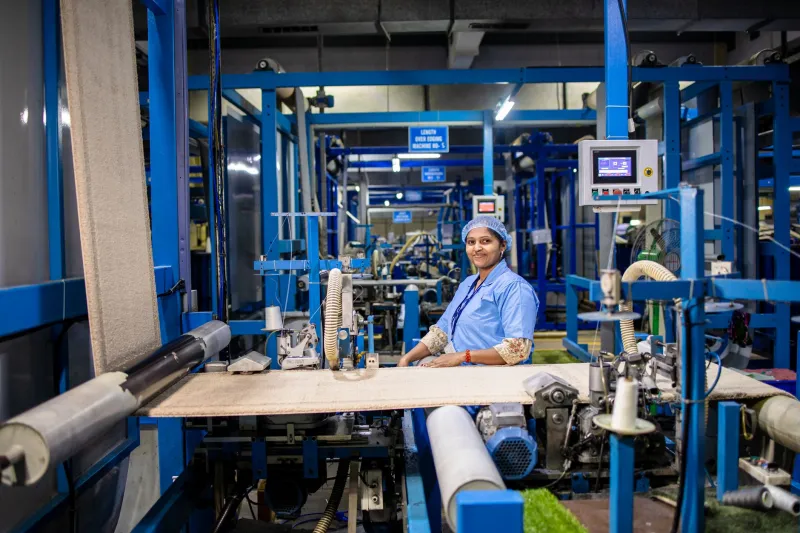
Skip the Dorm, Grab the Paycheck: The Case for Letting Teenagers Go Straight to Work
Somewhere along the way, America decided there was exactly one respectable path for an 18-year-old: apply to college, take out loans, and figure the rest out later. Anything else got treated like a consolation prize.
It's time to retire that idea. Because right now, in high schools from Ohio to Texas, teenagers are walking straight from graduation ceremonies into paid apprenticeships, union trade programs, and full-time jobs with benefits — and four years later, while their classmates are scraping together loan payments, these kids have bank accounts, skills, and seniority.
That's not a fallback plan. That's a head start.
The Numbers Don't Care About Prestige
Let's do some quick math that guidance counselors rarely put on the whiteboard. The average bachelor's degree now costs well over $100,000 at many schools, and student debt in America tops $1.7 trillion. Meanwhile, a registered apprenticeship pays you from day one — union electrician apprentices can start around $20+ an hour and finish their training earning journeyman wages north of $60,000, all without owing a dime.
Now flip the picture four years out. The college graduate is job hunting with a diploma and debt. The apprentice is a licensed tradesman with five years of raises banked, a pension contribution history, and zero loans. Who got the better deal? Depends on what you value — but the ledger looks pretty clear from where I sit.
Earn-While-You-Learn Is Exploding for a Reason
Youth apprenticeship programs are expanding rapidly across the country, and employers are desperate for them. Manufacturers, hospital systems, insurance companies, and tech firms are all building pipelines that hire high schoolers into structured, paid training programs — many starting at 16 or 17 years old.
Wisconsin, South Carolina, and Colorado have built statewide youth apprenticeship systems that put teens on real payrolls with real mentors before they get a diploma. Some of these kids are graduating with industry certifications, college credits, and job offers in hand. Not bad for someone who can't legally rent a car.
And the trades themselves? We've covered it before on this site: plumbers, welders, electricians, and HVAC techs are out-earning plenty of office workers, with demand so strong that contractors are turning down work they can't staff.
What About the Risks? Let's Be Honest
This column wouldn't be worth reading if it only told one side. Going straight to work has real trade-offs, and parents deserve to hear them plainly.
Physical toll is real. Trades work is hard on the body. A 45-year-old welder feels things a 45-year-old accountant doesn't. Smart tradespeople plan for it — moving into supervision, inspection, or running their own crew.
Earnings ceilings exist in some fields. A worker who stops learning can plateau. The teens who win are the ones who treat a first job as training, not a destination — stacking certifications, learning the business side, eventually running the show themselves.
Economic bumps hit the young first. Workers without degrees can be more exposed in recessions, particularly in construction and manufacturing. That's an argument for apprenticeships over dead-end jobs — registered programs teach skills that travel.
And yes, college is still right for some kids. If your 17-year-old wants to be a nurse, an engineer, or a teacher, college is the road. Nobody's arguing otherwise. The argument is against the assumption that every kid must go — or else.
The Real Problem Is the Snobbery
Here's what grinds my gears: the kid who announces he's starting an electrician apprenticeship and gets a sympathetic head tilt, while the kid taking on $80,000 in loans for a degree he's unsure about gets a round of applause.
We've confused the price tag with the value. A young American earning a paycheck, learning a craft, and building a life without debt isn't settling. He's compounding. Every dollar saved at 19 is a house down payment, a first truck, a head start on a family that his loan-paying peers will spend a decade catching up to.
And let's not pretend work itself has no educational value. A teenager who spends two years on a real job site learns discipline, problem-solving, and how to deal with difficult people — lessons worth more than half of what passes for a general education requirement.
What Parents and Teens Should Do Right Now
If this path makes sense for your family, don't wait for the school to bring it up:
- Look into registered apprenticeships at Apprenticeship.gov — searchable by state and trade, all paid positions.
- Ask your high school about youth apprenticeship and work-study programs. Many states let juniors and seniors split the day between class and paid work.
- Tour local trade schools and union halls. Most will happily show a 16-year-old what the work actually looks like.
- Talk to tradespeople you know. Ask what they'd do at 18. The answers might surprise you.
A Head Start Worth Defending
There's nothing wrong with a college diploma. There's something very wrong with pretending it's the only respectable way to build a life in this country.
The teenagers heading straight to the payroll aren't giving up on their futures. They're starting on them — earlier, cheaper, and with calloused hands and full bank accounts to show for it. Maybe it's time the rest of us caught up to them.