The Quiet Raise: How Employee Ownership Is Putting Real Equity in American Workers' Pockets
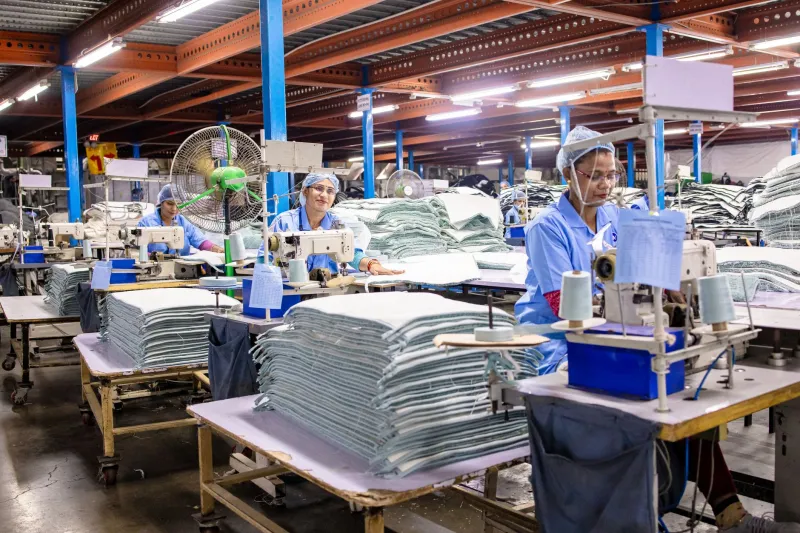
There is a version of the American dream that fits on a shop-floor bulletin board: a photo of the crew, a line about the company being employee-owned, and a number that nobody talks about out loud but everybody knows — the share price, updated once a year, printed on a sheet in the break room.
That sheet is the quietest wealth-building tool in the country, and almost nobody applying for a job asks about it.
The most underrated line on a job offer
An employee stock ownership plan, or ESOP, is a retirement benefit that holds company stock on behalf of the employees. You do not buy in. You do not need a brokerage account. You do not need to put up a dime. The company contributes shares or cash to a trust, the trust allocates them to accounts in your name, and over a vesting period — commonly three to six years — those shares become yours.
When you leave or retire, the company buys them back at the appraised value. In a well-run, steadily growing business, that distribution is often the largest single sum a blue-collar worker will ever receive outside of a home sale.
The retirement math nobody advertises
Compare two identical jobs. Same wage, same town, same commute. One has a 401(k) with a modest match. The other is employee-owned, and after fifteen years a machinist's account is worth a low-six-figure sum that grew without a single payroll deduction.
That is the whole argument in one paragraph. The wage is the wage either way. Ownership is the difference between renting your job and having a stake in it.
Why owners keep choosing this over a sale
Here is the piece that matters for the next decade. A enormous cohort of American business owners — machinists, contractors, distributors, engineers — are at or past retirement age, and most of them have no family member who wants the keys. The default answer has been to sell to a competitor, a private equity firm, or a roll-up that closes the smaller plant and consolidates the work three states away.
An ESOP is the alternative. The owner gets paid, often with favorable tax treatment available for the sale, and the company stays where it is under the name it has always had. The machines stay. The payroll stays. The little league sponsorship stays.
For a town, that is the difference between a parking lot and a factory.
What ownership does to a payroll
Ask anyone who has managed in an employee-owned shop and you will hear variations of the same story. Turnover drops, because nobody walks away from an accruing stake. Scrap and rework drop, because the person running the machine has a reason to care about the yield. Suggestions get better, because the person on the floor knows the fix and now has a reason to say it out loud.
Call it the skin-in-the-game effect. When the equipment is partly yours, you fix it instead of filing a ticket.
Where the model actually lives
The popular image is a small machine shop, and plenty of those exist. But employee ownership shows up across groceries, building products, engineering firms, construction contractors, and professional services. Some of the best-known names in American retail are majority employee-owned. The common thread is not industry — it is a business with real assets, steady cash flow, and a workforce that stays.
The fine print you should read twice
Employee ownership is not magic and it is not a get-rich-quick scheme. Be clear-eyed:
- It is not liquid. You generally cannot cash out while you are working there.
- Valuation moves. An independent appraiser sets the share price annually, and it can go down.
- Concentration risk is real. Your job and your retirement savings sit in the same basket.
- Culture matters more than the paperwork. An ESOP bolted onto a company that treats people badly is a benefit, not a transformation.
- Distribution rules vary. Some plans pay out over several years. Ask.
How to spot one before you accept the offer
Ask directly in the interview. Is the company employee-owned? Is it an ESOP, a worker cooperative, or a stock purchase plan dressed up in similar language? What is the vesting schedule? What has the share price done over the last five years? How are distributions handled at retirement? Is there an employee-owner committee or an annual meeting where the numbers get explained plainly?
A company that is genuinely proud of its ownership structure will light up at those questions. A company that dodges them has told you something too.
Ownership is the conservative argument
Strip away the politics and this is an old idea wearing new clothes. Property in the hands of the people who work it. Businesses rooted in the towns that built them instead of flipped to whoever bids highest. Loyalty rewarded with something more durable than a pizza party.
Wall Street will always have its share of the spotlight. But the sleeper story in the American job market is happening in break rooms, on shop floors, and in annual meetings where the people voting are also the people running the machines. If you are job hunting this year, put one question near the top of your list: do I get a stake in this?