Concrete, Cable, and a Career: Where the Infrastructure Buildout Is Actually Hiring Right Now
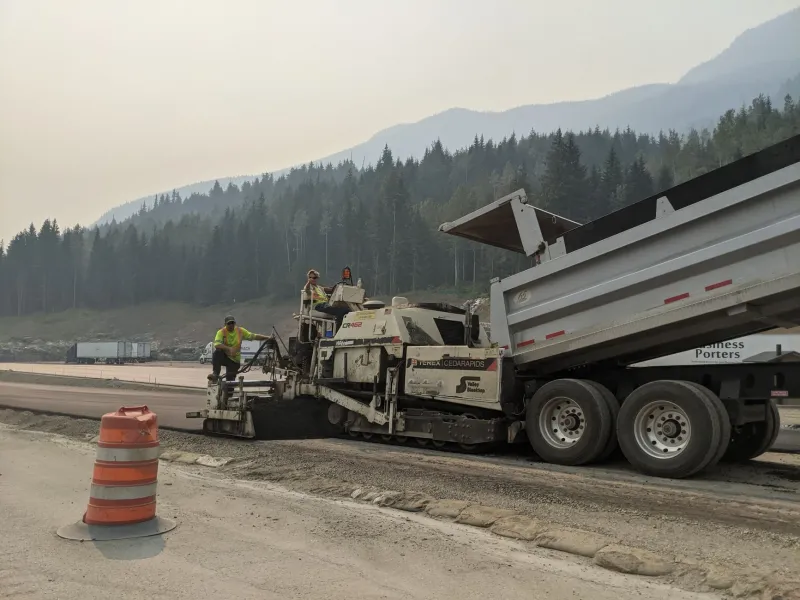
Drive two hours in almost any direction in this country and you will see it: orange barrels, fresh asphalt, a crew pulling fiber along a county road, a water tower wrapped in scaffolding. The infrastructure money that was all press releases a few years back is now dirt, steel, and cable. And the people moving it are in short supply.
That shortage is your opening. This is not a list of jobs that require a master's degree. Most of these roles can be entered inside a year, several inside a few months, and a few of them pay better than the white-collar job your cousin got with his bachelor's.
Why the work keeps coming
The 2021 federal infrastructure package pushed roughly a decade's worth of road, bridge, broadband, and water funding out in waves, and much of it is now in the construction phase rather than the ribbon-cutting phase. State departments of transportation have projects on the books for years. Utilities are stringing fiber into counties that have been stuck on a slow connection since dial-up. Water systems are replacing lead service lines under deadlines. Grid hardening is a standing budget line.
Translation for a job seeker: this is local work, it is spread out, and it is not going to dry up next quarter.
Heavy Equipment Operators — $45,000 to $80,000
Excavators, dozers, graders, loaders. The person in the cab is the difference between a project on schedule and a project on the news. Training runs through operator schools, union apprenticeships, or a company that will train the right attitude. A commercial driver's license plus a clean record helps more than most people realize.
Fiber-Optic Technicians and Splicers — $40,000 to $70,000
Every broadband build needs people who can pull cable, fuse glass, and test a signal. This is one of the fastest on-ramps in the entire buildout: weeks of training, employer-paid certifications, and a truck. Splicers who can work clean and fast are worth real money to a contractor.
Power Lineworkers — $55,000 to $100,000-plus with storm and overtime
Not for everyone, and the trade is honest about that. Line work means heights, weather, and callouts at 3 a.m. when a storm takes out a county. It also means a union apprenticeship, a defined skill set, and a wage that stacks up with almost anything in a hard hat. Utility apprenticeship programs typically open applications on a schedule — get on the notification list now.
Water and Wastewater Operators — $40,000 to $70,000
Every town needs one. State certification comes in grades, each grade adding responsibility and pay, and many community colleges run the coursework. The workforce here skews older, retirements are coming, and a licensed operator is not a job a computer replaces.
Ironworkers and Bridge Crews — $50,000 to $90,000
The bridge money is real and the crews are thin. Union apprenticeship is the standard path. It is physical, it is outside, and the people who do it tend to be fiercely loyal to it.
Surveyors and GIS Technicians — $45,000 to $75,000
Somebody has to lay out where the road actually goes. Two-year degrees and apprenticeship routes both exist, and the drones-plus-GPS version of this job is a lot more technical than the old stories suggest.
Civil Engineers and Construction Managers — $70,000 to $120,000
The four-year-degree tier, but also the tier with an experience-based climb. Field engineers and assistant superintendents move up quickly on projects this size, and a construction management degree is not the only door in.
Electricians and HVAC Techs on Public Buildings — $50,000 to $90,000
Schools, courthouses, water plants, transit depots. Every public building being renovated needs electrical and mechanical trades, and the apprenticeship pipeline for both is well established.
Where these postings actually hide
Most of these jobs never appear on the big national boards. Look here instead:
- State DOT project pages, which list contractors by project. The contractor does the hiring.
- City and county procurement and bid notices — the winning bidder needs a crew immediately.
- Utility career pages with apprenticeship notification signups.
- Local union halls, which often know about openings before they are posted.
- Your regional workforce board and community college job board.
Short courses that open doors fast
An OSHA 10 or 30 card, a flagger certification, a CDL, a confined-space ticket, or a basic welding certificate can move an application from the bottom of the pile to the callback list. None of them take long, and several are cheap or free through workforce grants.
Build the thing you drive on
There is a particular satisfaction in pointing at a bridge and telling your kid you poured the deck. Public infrastructure is one of the last lines of work where the output has your town's name on it and stays there for fifty years. The money is moving. The crews are short. If you have been waiting for a sign to walk into a union hall or click apply on a contractor's page, consider this it.