Jobs Are Coming Home: Why American Companies Are Done Outsourcing — and What That Means for Your Paycheck
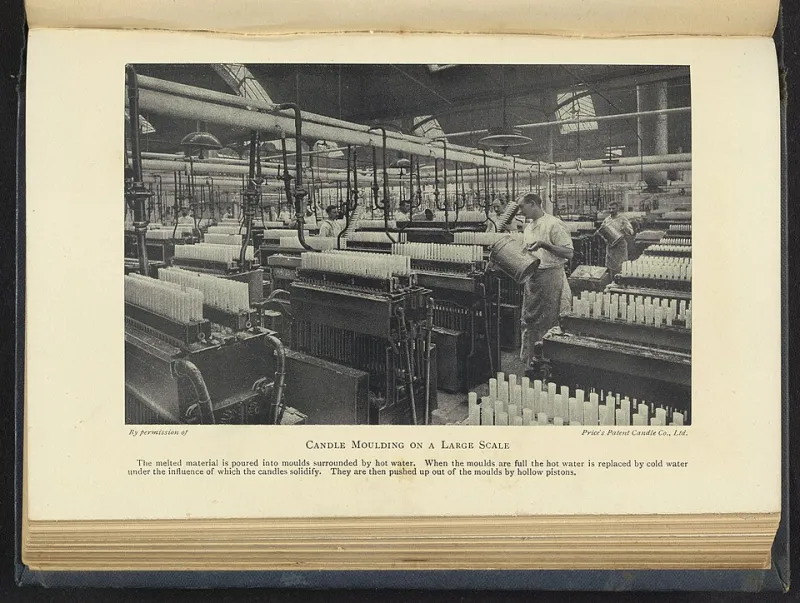
Photo: Philip, James Charles; Price's Patent Candle Company, Limited, Public domain, via Wikimedia Commons
The Tide Is Finally Turning
For a long time, the story of American manufacturing and tech services felt like a slow leak. Factories quietly shuttered. Call centers relocated to Manila. Software development teams popped up in Bangalore. And millions of American workers were left wondering what happened to the jobs their parents and grandparents built careers on.
But here's the thing nobody expected: the pendulum is swinging back.
Reshoring — the practice of moving production, services, and operations back to U.S. soil — has gone from a niche talking point to a genuine economic trend. And nearshoring, which shifts operations to neighboring countries like Mexico and Canada, is picking up steam too as companies look to tighten their supply chains without fully committing to domestic facilities just yet.
The numbers back this up. The Reshoring Initiative reported that combined reshoring and foreign direct investment job announcements hit record highs in recent years, with hundreds of thousands of positions returning stateside. That's not a blip. That's a trend you can build a career on.
Why Companies Are Making the Move
So what changed? A few things hit at once, and they hit hard.
The COVID-19 pandemic exposed just how fragile global supply chains really were. When factories in Asia shut down and shipping containers sat stranded at sea, American companies realized they'd built their operations on a pretty shaky foundation. Suddenly, "cheap overseas labor" didn't look so appealing when you couldn't get your product to customers for six months.
Then came rising labor costs abroad. Wages in China, India, and Southeast Asia have climbed steadily over the past decade, narrowing the gap between what it costs to produce something overseas versus at home. Add in shipping costs, tariffs, quality control headaches, and intellectual property risks, and the math starts looking a lot more favorable for domestic production.
Consumer sentiment has shifted too. American shoppers increasingly want to know where their products are made. "Made in the USA" isn't just a feel-good label anymore — it's a marketing advantage that savvy brands are leaning into hard.
"We kept hearing from our customers that they wanted American-made," said one Ohio-based appliance manufacturer who recently brought 200 jobs back from overseas facilities. "When we ran the numbers, it made sense on both ends — for our customers and for our bottom line."
Tech Isn't Sitting This One Out
Reshoring isn't just a manufacturing story. The tech sector is getting in on the action too, and that's a big deal for workers with digital skills.
Cybersecurity concerns have pushed many companies to reconsider offshore IT and data management. When sensitive customer data is being handled thousands of miles away, the risk profile changes dramatically. More companies are pulling those functions back in-house or contracting with domestic providers.
The CHIPS and Science Act, which poured billions into domestic semiconductor manufacturing, has also sparked a wave of new facility announcements from companies like Intel, TSMC, and Micron — all building or expanding plants on American soil. That means engineers, technicians, project managers, and skilled tradespeople are all in demand at facilities that didn't exist a few years ago.
Arizona, Ohio, and Texas have become hotbeds for this kind of tech-manufacturing growth. If you've got skills in electrical work, precision machining, or even supply chain logistics, your résumé just got a lot more interesting to a whole new class of employers.
What This Looks Like for Real Workers
Let's get practical. What does reshoring actually mean for someone sitting at home, scrolling job boards, wondering if there's something better out there?
For starters, it means more options — especially in regions that felt left behind during the outsourcing era. Rust Belt cities, rural manufacturing towns, and mid-sized metros that lost their economic anchors are seeing renewed investment. New plants are being built. Old facilities are being retrofitted. Hiring is happening.
And the wages? They're competitive. Companies coming back to the U.S. know they're competing for workers in a tight labor market. They can't afford to low-ball candidates. A production technician role that might've paid $14 an hour in 2015 could easily command $20 to $25 or more today at a reshored facility, often with benefits packages that offshore work never offered.
"I went from a dead-end warehouse job to a full-time position with health insurance and a 401(k) at the new plant," said a worker in South Carolina who landed a role at a reshored textile operation. "I didn't have to move. The job came to me."
That's the part that doesn't get talked about enough. Reshoring brings economic opportunity to communities where people already live — rather than forcing workers to uproot their families to chase jobs in expensive coastal cities.
Skills That Put You in the Running
If you want to position yourself for the wave of opportunities that reshoring is creating, here's where to focus your energy:
Skilled trades: Welding, machining, electrical work, and HVAC are in serious demand at domestic manufacturing facilities. Trade certifications from community colleges and vocational programs can get you hired fast.
Supply chain and logistics: Companies rebuilding domestic supply chains need people who understand procurement, inventory management, and vendor relationships.
Quality control and engineering: Reshored operations often prioritize quality as a selling point. QC technicians, process engineers, and Six Sigma certified professionals are highly sought after.
Cybersecurity and IT: As tech companies pull sensitive operations back home, domestic IT professionals with security clearances or relevant certifications are in a strong position.
Bilingual skills: For nearshoring operations that bridge U.S. and Mexican facilities, Spanish-speaking supply chain and operations professionals are increasingly valuable.
This Is More Than an Economic Story
Here's the bigger picture: reshoring isn't just good for workers' bank accounts. It's good for communities. When a plant opens in a small town, it doesn't just create the jobs inside the building — it supports the diner down the street, the hardware store on Main Street, and the school district that benefits from a broader tax base.
There's something genuinely meaningful about a job that's rooted in your own country, your own state, your own hometown. It's not just about the paycheck. It's about stability, identity, and the knowledge that the work you do is contributing to something local and lasting.
American companies are slowly but surely figuring out what workers have known all along: there's real value in keeping things close to home.
The jobs are coming back. The question is whether you're ready to step into them.