Coming Back to the Office and Never Looking Back: Why More Americans Are Choosing the Commute Over the Couch
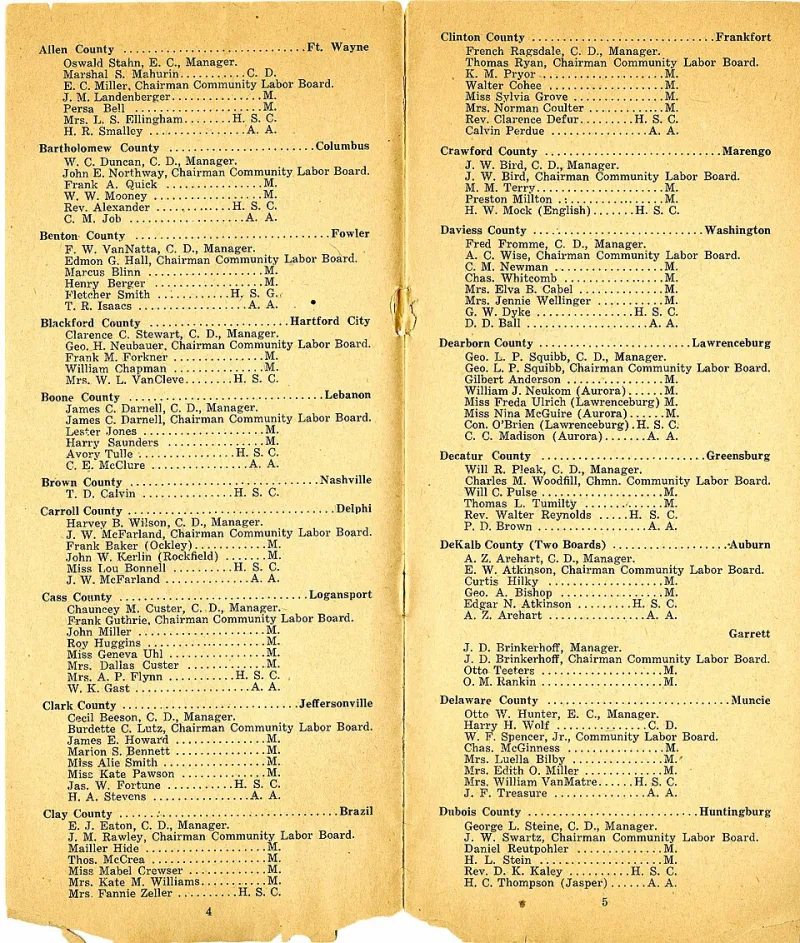
Photo: Indiana. Department of Labor; United States Employment Services, Public domain, via Wikimedia Commons
For a while there, it felt like the office was done. Dead. A relic of the pre-pandemic world that nobody was rushing to reclaim. Remote work was supposed to be the future — the permanent, non-negotiable, work-in-your-pajamas future. And yet, here we are.
Walk through downtown Columbus, Charlotte, or Kansas City on a Tuesday morning and you'll notice something different. The coffee shops near the big office towers are packed again. Parking garages are filling up. Dry cleaners are reporting their best quarters in years. The office isn't just surviving — it's making a genuine comeback. And the most surprising part? A lot of workers are actually choosing it.
The Numbers Tell a Story Nobody Expected
Remote work peaked in 2020 and 2021 out of pure necessity. But the data since then paints a complicated picture that the "remote work forever" crowd didn't anticipate. According to recent workplace surveys, a growing share of employees — particularly those under 35 — are actively seeking out in-office or hybrid roles over fully remote positions. Job postings that require in-person work are drawing more applicants than they did two years ago in several key industries, including finance, healthcare administration, and manufacturing management.
More telling is what workers say when you ask them why. The answers aren't about ping-pong tables or free snacks. They're about something more fundamental — connection, visibility, and the feeling that their careers are actually going somewhere.
The Career Advancement Factor
Let's be real about something that took a few years to fully sink in: out of sight can mean out of mind. Workers who spent years grinding away on video calls started noticing that the colleagues showing up at headquarters were the ones getting tapped for promotions, stretch assignments, and leadership opportunities.
That's not a conspiracy theory. It's human nature. Managers naturally develop stronger relationships with people they interact with face-to-face. Mentorship happens in hallways. Opportunities get discussed over lunch. The informal networks that drive careers forward are built in person, not over Slack.
Americans who figured this out early are now making deliberate choices to be present. They're treating the office less like an obligation and more like a competitive advantage. And in a job market where advancement matters, that strategic thinking is paying off.
What Workers Are Actually Saying
Talk to people who've made the switch back, and you'll hear some consistent themes.
There's the issue of separation between work and home. After a couple of years of answering emails at midnight because the laptop was always right there, a lot of workers discovered they actually wanted a commute — a physical transition that signals the workday is starting or ending. The office gives you that boundary back.
Then there's the loneliness factor, which doesn't get talked about enough. Working from a spare bedroom or kitchen table sounds great until month eighteen when you realize you haven't had a real conversation with a coworker in three weeks. Human beings are wired for community. Offices, for all their quirks, deliver that.
Younger workers especially are pushing back against the remote-only narrative. Folks early in their careers need to absorb culture, learn the unwritten rules, and build the kind of relationships that take years to develop. That's genuinely harder to do through a screen.
Downtown America Is Breathing Again
The ripple effects of this shift go well beyond individual career decisions. When workers come back to offices, they bring entire ecosystems with them.
Downtown districts that were ghost towns in 2021 are seeing real recovery. Local restaurants, coffee shops, tailors, gyms, and transit systems all depend on the daily rhythm of office workers. Small business owners who stuck it out through the lean years are finally seeing foot traffic return. That's real money staying in real American communities.
City leaders in places like Pittsburgh, Indianapolis, and Richmond have been quietly working to lure companies back to their downtown cores with incentives and infrastructure improvements. Those bets are starting to pay off as businesses recognize that a vibrant office location — one where employees can walk to lunch, catch a show after work, or grab a beer with colleagues — is actually a recruiting tool.
The Culture Argument Companies Are Finally Winning
For a while, employers pushing return-to-office mandates were getting hammered in the press. Workers pushed back. Some quit. The narrative was that companies were out of touch, clinging to old ways.
But something shifted. Companies that handled the transition thoughtfully — offering flexibility, investing in better office spaces, and making a genuine case for why being together matters — started winning the argument. Culture is hard to build over video. Shared experiences, inside jokes, collaborative problem-solving that sparks from spontaneous conversation — these things happen in person or they barely happen at all.
Organizations that figured this out early are now reporting stronger retention numbers, higher employee satisfaction scores, and faster onboarding times for new hires. The office, done right, turns out to be a pretty powerful tool.
This Isn't About Forcing Anyone Back
It's worth being clear: this isn't a story about mandates or heavy-handed corporate policies. The most interesting version of this trend is the voluntary one — workers who tried remote work, gave it a real shot, and decided they wanted something different.
That choice says something meaningful about what Americans actually value when they have time to think it through. Convenience is great. But purpose, community, advancement, and belonging have a way of winning out in the long run.
The American workplace has always been more than just a place to collect a paycheck. At its best, it's where people build skills, forge friendships, contribute to something bigger than themselves, and plant roots in a community. Remote work offered freedom, but for a lot of workers, it quietly traded away things they didn't realize they'd miss.
What This Means for Your Career Right Now
If you're in the job market or thinking about making a move, this trend is worth paying attention to. Companies investing in their physical spaces and office culture are signaling something important — they're thinking long-term. They want people who are engaged, present, and building toward something.
Being the person who shows up, contributes to the room, and builds relationships in real time is a career strategy that never really went out of style. It just got temporarily overshadowed by a once-in-a-generation disruption.
The disruption is fading. The fundamentals are back. And for American workers who are ready to plant their feet somewhere and build something real, the office might just be one of the best tools they've got.