Blue-Collar Is the New Gold Collar: How Trades Workers Are Out-Earning the College Crowd
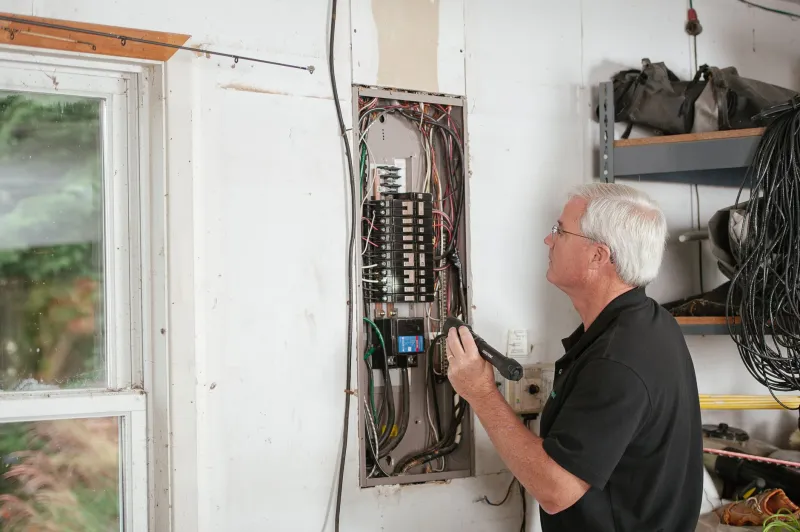
Somewhere along the line, America got sold a story. The story went like this: go to college, get a degree, land a desk job, and you'll be set for life. For a lot of folks, that path worked out just fine. But for millions of others, it meant years of grinding through classes they didn't love, racking up debt they're still paying off a decade later, and ending up in careers that feel about as fulfilling as a Monday morning commute.
Meanwhile, the guy who showed up to fix your air conditioner last August? He probably cleared six figures last year. And he's got zero student loans.
Welcome to the skilled trades renaissance — and if you're thinking about your next career move, this might be the most important conversation happening in American employment right now.
The Numbers Don't Lie
Let's talk real money for a second. According to the Bureau of Labor Statistics, the median annual wage for electricians sits right around $61,000 nationally — but journeyman and master electricians in high-demand markets are regularly pulling in $80,000 to over $100,000. Plumbers aren't far behind, with experienced pipe fitters in cities like Houston, Chicago, and Phoenix reporting similar earnings. HVAC technicians — the folks keeping homes cool in scorching Southern summers and warm during Midwestern winters — are seeing median wages climb past $57,000, with specialists and business owners doing considerably better.
Now compare that to the average starting salary for a four-year college graduate, which hovers around $55,000 — and that's before you factor in the average student loan burden of roughly $37,000. Do the math and a lot of those shiny degrees start looking a little less shiny.
Trades workers, by contrast, typically enter the workforce through apprenticeship programs where they earn while they learn. No tuition bills. No ramen-for-dinner years. Just a paycheck from day one, growing steadily as skills develop.
The Retirement Wave Nobody Warned Us About
Here's the part of this story that really puts things in perspective. The Baby Boomer generation built a lot of this country's infrastructure with their own hands. They wired the homes, laid the pipes, and kept the HVAC systems humming for decades. And right now, they're retiring at a pace of roughly 10,000 people per day.
The skilled trades are feeling that exit more than almost any other sector. Industry groups estimate a shortage of hundreds of thousands of electricians alone over the next decade. The HVAC industry is staring down a similar gap. Plumbing contractors across the country report turning away work not because demand is soft — it's the opposite — but because they simply don't have enough qualified hands to do the job.
That's not a crisis for workers considering the trades. That's an opportunity. Supply is shrinking, demand is growing, and wages are responding accordingly. This is basic economics playing out in real time, and it's happening in neighborhoods and cities all across America.
Getting In: The Apprenticeship Pathway
One of the biggest misconceptions about the trades is that breaking in is complicated or slow. It really isn't. Most pathways look something like this:
Step 1: Find a registered apprenticeship program. The Department of Labor's ApprenticeshipUSA database is a solid starting point. Local unions — like those affiliated with the International Brotherhood of Electrical Workers (IBEW) or the United Association of Plumbers and Pipefitters — run some of the best-structured programs in the country. Many non-union contractors offer solid apprenticeships too.
Step 2: Apply and get accepted. Requirements vary, but most programs want applicants who are at least 18, have a high school diploma or GED, and can pass a basic math assessment. Some require a drug test and a valid driver's license. Nothing exotic.
Step 3: Earn while you learn. Apprenticeships typically run three to five years depending on the trade. During that time, you're working alongside experienced journeymen, attending trade school classes (usually a few nights a week), and getting paid — starting somewhere around 40-50% of journeyman wages and climbing from there.
Step 4: Journeyman certification. Once you've completed your hours and passed your licensing exam, you're a fully credentialed journeyman. From there, the path to master-level certification — and potentially running your own business — is wide open.
Total cost of this route compared to a four-year university? Dramatically less. In many cases, essentially nothing out of pocket.
Why This Matters for American Communities
There's a bigger picture here that goes beyond individual paychecks, and it's something we think about a lot here at My Country My Job. Skilled trades aren't remote-work careers. They're rooted in communities. The electrician wiring a new home in rural Tennessee isn't outsourceable. The plumber keeping an aging apartment complex in Cleveland up to code isn't going to be replaced by an algorithm.
When local tradespeople thrive, local economies thrive. Money earned by a plumber in Tulsa gets spent at the hardware store in Tulsa, the diner in Tulsa, the kids' sports league in Tulsa. These careers are a backbone of genuine, grounded American economic life — and right now, that backbone needs more people willing to step up and be part of it.
There's also something to be said for the satisfaction factor. Ask most experienced tradespeople what they love about their work and you'll hear a version of the same answer: at the end of the day, you can see what you built or fixed. That's not nothing. In a world of abstract deliverables and digital busywork, there's real pride in tangible results.
Who Should Be Paying Attention Right Now
If you're a recent high school grad trying to figure out your next move, the trades deserve serious consideration before you sign any loan paperwork. If you're a mid-career worker who's tired of the corporate grind and wants something more hands-on and financially rewarding, a trades transition — while it requires some patience — is absolutely achievable. Community colleges and technical schools across the country offer accelerated programs that can get you into an apprenticeship faster than you might think.
Veterans, in particular, are a natural fit. The discipline, mechanical aptitude, and team-oriented mindset that military service builds translate remarkably well into trade work. Many unions actively recruit veterans and offer expedited pathways based on military training and experience.
The Bottom Line
America needs electricians. It needs plumbers. It needs HVAC technicians. And right now, it's willing to pay very well for them. The tired notion that blue-collar work is somehow a lesser path has been quietly dismantled by market forces — and the workers smart enough to recognize that early are positioning themselves for genuinely strong careers.
No debt. Real skills. Work that matters. A paycheck that grows with your expertise. And the knowledge that what you do keeps homes safe, warm, cool, and running.
That sounds like a pretty good deal for any American willing to roll up their sleeves.