America's Hiring Boom Has a Problem: Not Enough Skilled Workers to Fill the Jobs

Photo: E. F. Joseph, Public domain, via Wikimedia Commons
Here's a situation that would've seemed impossible a decade ago: companies are practically begging people to come work for them. Not entry-level, minimum-wage gigs, either. We're talking $60,000, $80,000, even $100,000-a-year positions sitting open for months because employers simply can't find workers with the right skills to fill them.
This is the American skills gap — and depending on which side of it you're standing on, it's either a crisis or the career opportunity of a lifetime.
If you're a job seeker willing to put in a little effort and pick up the right credentials, right now might be the best time in recent memory to launch or reinvent your career. Let's break down where the pressure is highest, what employers are actually looking for, and how you can move fast.
The Gap Is Real — and It's Getting Wider
The numbers are hard to ignore. The U.S. Chamber of Commerce has been sounding the alarm for years: there are consistently more open jobs in America than there are unemployed workers to fill them. In skilled trades alone, Associated Builders and Contractors estimates the construction industry needs to attract nearly half a million additional workers on top of normal hiring just to meet current demand.
Healthcare? The American Association of Colleges of Nursing projects a nationwide shortage of registered nurses that could hit the hundreds of thousands within the next few years. Advanced manufacturing is in a similar bind — the Manufacturing Institute and Deloitte have projected that over 2 million manufacturing jobs could go unfilled over the next decade simply because the workforce isn't keeping pace with the industry's evolution.
This isn't a blip. It's a structural shift — and it's been building for years.
Why Is This Happening?
A few forces are colliding at once. Baby Boomers are retiring in massive waves, taking decades of institutional knowledge with them. Meanwhile, the push to send every young person to a four-year college left a generation underprepared for the hands-on, technical work that actually keeps this country running.
At the same time, American manufacturing and infrastructure are experiencing a genuine renaissance. Reshoring initiatives, federal infrastructure investment, and a renewed focus on domestic supply chains are creating jobs at a pace that our training pipelines simply weren't built to handle.
The result? Employers are desperate. And that desperation is your leverage.
The Sectors Where Employers Are Hurting Most
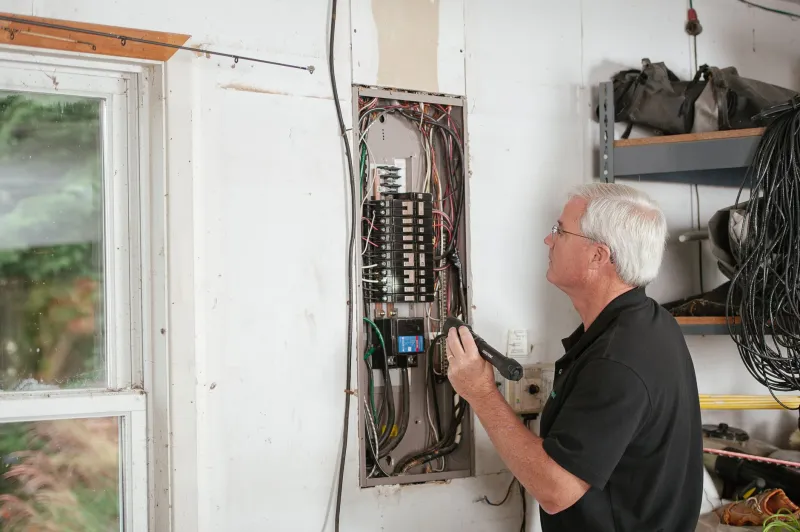
Skilled Trades: Electricians, plumbers, HVAC technicians, welders — these roles are commanding starting wages that would make some college graduates blush. A licensed electrician in many parts of the country can earn north of $80,000 annually, and experienced welders in specialized industries like aerospace or energy infrastructure can clear six figures. Apprenticeship programs through unions and trade associations can get you job-ready in two to five years, often while you're earning a paycheck.
Healthcare: It's not just nurses. Medical assistants, surgical technologists, respiratory therapists, radiology techs — the demand runs deep across the entire clinical spectrum. Community colleges across the country offer two-year associate degree programs in many of these fields, and starting salaries in the $45,000–$70,000 range are common, with plenty of room to grow.
Advanced Manufacturing and Machining: CNC machinists, quality control technicians, industrial maintenance mechanics — these aren't the grimy factory jobs of your grandfather's era. Modern manufacturing facilities are clean, tech-driven environments where skilled workers operate sophisticated equipment. Certifications from the National Institute for Metalworking Skills (NIMS) or programs through local community colleges and technical schools can open doors in a matter of months.
Cybersecurity and IT Infrastructure: As American businesses — from small manufacturers to regional hospitals — modernize their operations, the need for IT and cybersecurity talent is exploding outside of the traditional tech hubs. CompTIA certifications like Security+, Network+, and A+ are widely recognized entry points that don't require a four-year degree and can be earned in under a year.
Commercial Trucking and Logistics: The supply chain chaos of recent years exposed just how critical logistics workers are to everyday American life. CDL drivers remain in high demand, with many carriers offering signing bonuses, paid training, and starting salaries well above $50,000.
What Hiring Managers Are Actually Saying
Talk to anyone doing hiring in these sectors and you'll hear a consistent theme: they're not holding out for perfect candidates. They want reliable, motivated people who show up and are willing to learn.
A production supervisor at a Midwest auto parts manufacturer put it plainly: "I've got machines sitting idle because I don't have operators. At this point, if someone walks in the door and tells me they're dependable and ready to be trained, I'm seriously interested. I can teach the technical stuff. I can't teach attitude."
A director of nursing at a regional hospital system echoed the sentiment: "We're working with our local community college to fast-track LPN programs specifically because we need people now. We're not waiting for the perfect resume. We're investing in people who want to be here."
That shift in mindset — from credential-hunting to character-and-trainability — is a genuine opening for job seekers who might have previously felt locked out.
How to Move Fast and Land in a High-Demand Field
Start with your local community college or technical school. These institutions have their fingers on the pulse of regional employer needs and often have direct pipelines to local hiring partners. Many programs are specifically designed to get you job-ready in under two years.
Look into registered apprenticeships. The federal government's ApprenticeshipUSA program (apprenticeship.gov) is a solid starting point for finding earn-while-you-learn opportunities in trades, healthcare, and tech.
Prioritize certifications with employer recognition. In cybersecurity, look at CompTIA. In manufacturing, NIMS. In healthcare, check with your state's licensing board for the fastest paths to entry-level clinical roles. These credentials carry weight with employers and can be earned faster — and cheaper — than a traditional degree.
Don't overlook employer-sponsored training. Many companies in high-demand sectors are so hungry for workers that they'll pay for your training outright. Ask about tuition assistance and paid apprenticeship programs during the interview process. You might be surprised what's on the table.
Be geographically flexible if you can. The skills shortage isn't evenly distributed. Certain regions — particularly in the Southeast, Midwest, and Mountain West — are seeing explosive job growth in manufacturing and infrastructure. A willingness to relocate, even temporarily, can dramatically expand your options.
The Bottom Line
America is building things again. The factories are humming, the hospitals are stretched, and the construction sites are busy. The only thing standing between millions of open jobs and the workers who could fill them is the right training and a willingness to step up.
This country has always rewarded people who work hard and learn fast. The skills gap isn't a problem for job seekers — it's an invitation. And right now, the door is wide open.
So what are you waiting for?